
Best Children's Books About Feelings — Summer 2026 Reading List
Summer reading season is here — and this year, more parents and educators than ever are looking for books that go beyond entertainment. They want stories that help children name their feelings, understand why they have them, and cope with the hard ones in healthy ways.
This list was curated by Emi K, LCSW-C — a Licensed Clinical Social Worker who has spent years working with children and families in clinical settings. Every book here is chosen not just because it's beautifully illustrated, but because it actually works — the emotional content is developmentally accurate, the language validates feelings before offering coping tools, and the themes reflect what children genuinely experience.
About the curator: Emi K holds an LCSW-C designation — one of the most rigorous clinical credentials in mental health, requiring 3,000+ supervised clinical hours and a national licensing exam. When she writes about feelings, it's not from theory alone. It's from years of sitting with children in the middle of hard things.
Whether you're a parent building a home library, a teacher stocking a classroom reading corner, or a school counselor looking for therapeutic read-alouds, this list has something for every child and every emotion.
Ages 0–3: First Feelings — Board Books for the Youngest Readers
Emotional literacy starts earlier than most parents realize. Children as young as 12–18 months can begin to associate words with emotional states when those words are offered consistently and warmly. These books are designed to do exactly that — in short, rhyming, board-book format that holds attention and invites re-reading.
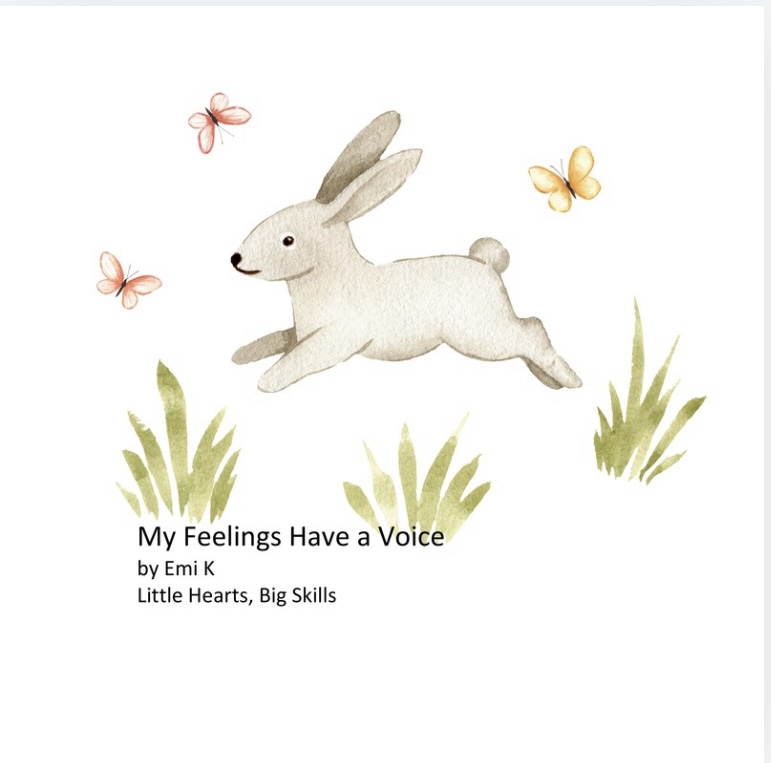
My Feelings Have a Voice
Age range: 0–8 (ideal entry point: 0–3)
Series: Little Hearts, Big Skills
Key SEL themes: Emotional recognition, naming feelings, validation
This is the book therapists reach for first. My Feelings Have a Voice teaches children that every feeling — happy, sad, scared, angry — is real, valid, and worth naming. The genius of this book is its sequencing: it doesn't rush to "fix" the feeling. It holds it. Children who are read this book consistently develop a larger emotional vocabulary, which research consistently links to better self-regulation and fewer behavioral outbursts. A must-have for any summer reading list focused on emotional wellness.
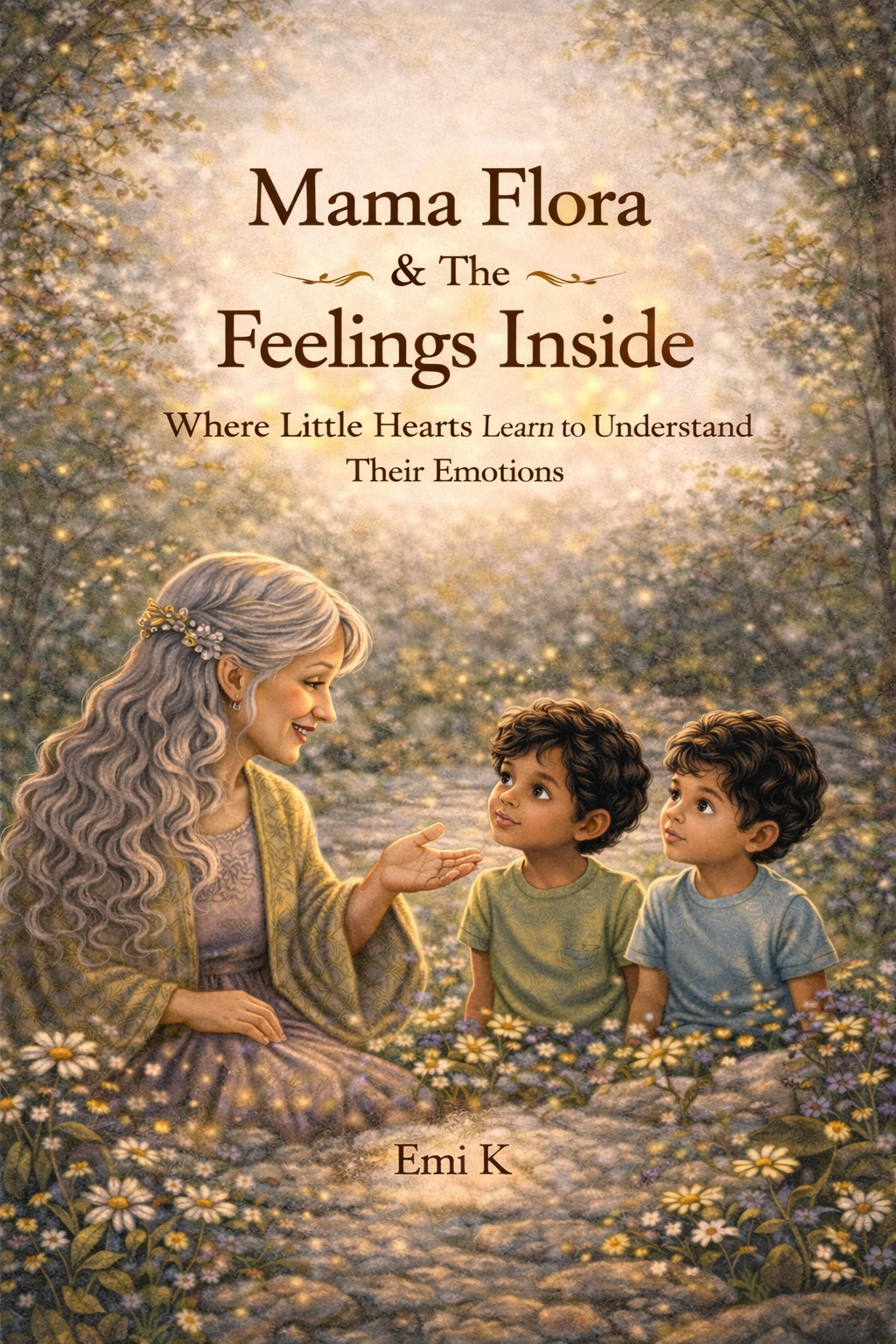
Mama Flora & The Feelings Inside
Age range: 0–8 (ideal entry point: 0–3)
Series: Mama Flora
Key SEL themes: Emotional identification, caregiver attunement, feelings vocabulary
Mama Flora is the warm, wise presence every child deserves — a caregiver who helps little ones recognize what's happening inside them. This book is particularly powerful for shared reading: Mama Flora's gentle guidance gives parents a model for how to respond to big emotions without dismissing or escalating them. From happy to sad to excited to worried, The Feelings Inside covers the full emotional range in language a toddler can absorb. The series continues with Mama Flora & The Courage Within and Mama Flora & the Healing Garden — ideal for building a complete emotional literacy collection.
Ages 2–5: Big Feelings in Small Bodies — Picture Books for Toddlers & Preschoolers
Ages two through five are when emotional regulation becomes both possible and urgently needed. Children this age are experiencing emotions at full intensity with minimal ability to modulate them — the classic "tantrum years." But they are also rapidly developing the language and cognitive capacity to understand their feelings if we give them the right tools. These books meet children exactly where they are.
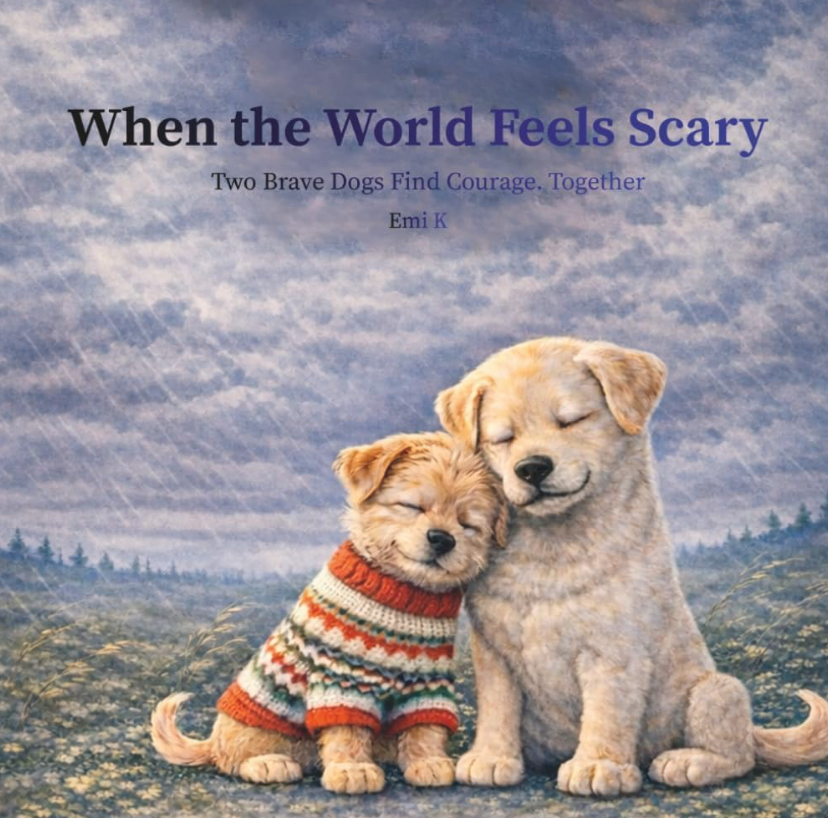
When the World Feels Scary
Age range: 2–6
Series: When the World Feels…
Key SEL themes: Anxiety, fear, courage, peer support
Fear is one of the hardest emotions for young children to name — and one of the most important. When the World Feels Scary follows two brave dogs who discover that courage isn't the absence of fear: it's choosing to take the next step anyway, especially when someone you trust is beside you. This book directly addresses childhood anxiety in a way that never pathologizes or dismisses it. Clinicians frequently recommend it for children who are starting school, experiencing nighttime fears, or facing any major transition. The two-dog format also introduces a gentle lesson about peer support and emotional co-regulation. Part of the When the World Feels… series, which also includes When the World Feels New, When the World Feels Big, and When the World Feels Quiet.
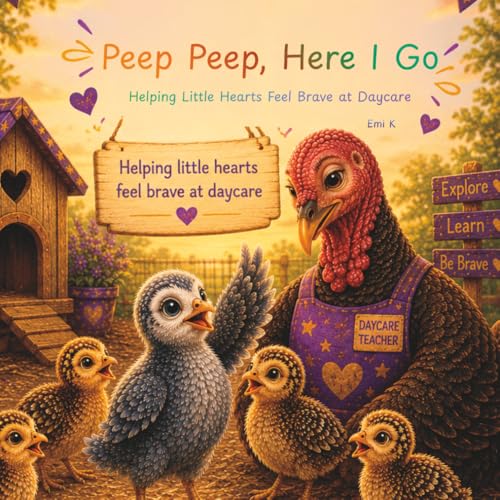
Peep Peep, Here I Go!
Age range: 2–6
Series: Little Hearts, Big Skills
Key SEL themes: Separation anxiety, transitions, friendship, courage, daycare/preschool
Starting daycare or preschool is one of the most emotionally charged transitions in early childhood — for children and parents. Peep Peep, Here I Go! follows a tiny turkey chick through this exact experience, validating the mix of excitement and fear, and gently showing how friendship and small moments of bravery make the unfamiliar feel safe. Written in rhyming verse with soft watercolor illustrations, this book is perfect for reading in the week before school starts — and then again on the first morning. It addresses separation anxiety without minimizing it, and leaves children with a sense of agency: they can be brave, one small step at a time.
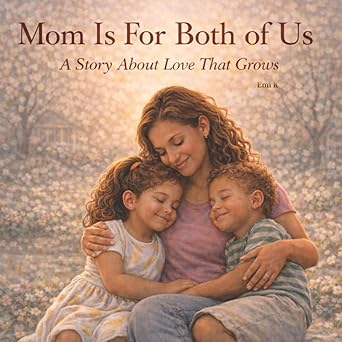
Mom Is For Both of Us
Age range: 0–6
Series: The Many Ways Families Love
Key SEL themes: Sibling rivalry, jealousy, secure attachment, love that grows
Jealousy — especially sibling jealousy — is rarely addressed honestly in children's literature. Most books paper over it. Mom Is For Both of Us takes a different approach: it acknowledges that wanting Mom all to yourself is a real, understandable feeling. And then it does something clinically powerful — it shows a child discovering through experience (not lecturing) that love doesn't run out when it's shared. The soothing rhymes make this ideal for reading during the transition period after a new sibling arrives, or anytime a child is struggling with feeling unseen.
Ages 4–8: Understanding Hard Feelings — Stories for When Life Gets Complicated
By school age, children are navigating genuinely complex emotional terrain: family changes, loss, fear of the unknown, and the big question of whether they are lovable when things are hard. These books are written for that complexity — not just gentle feelings, but the ones that require adult support to process well.
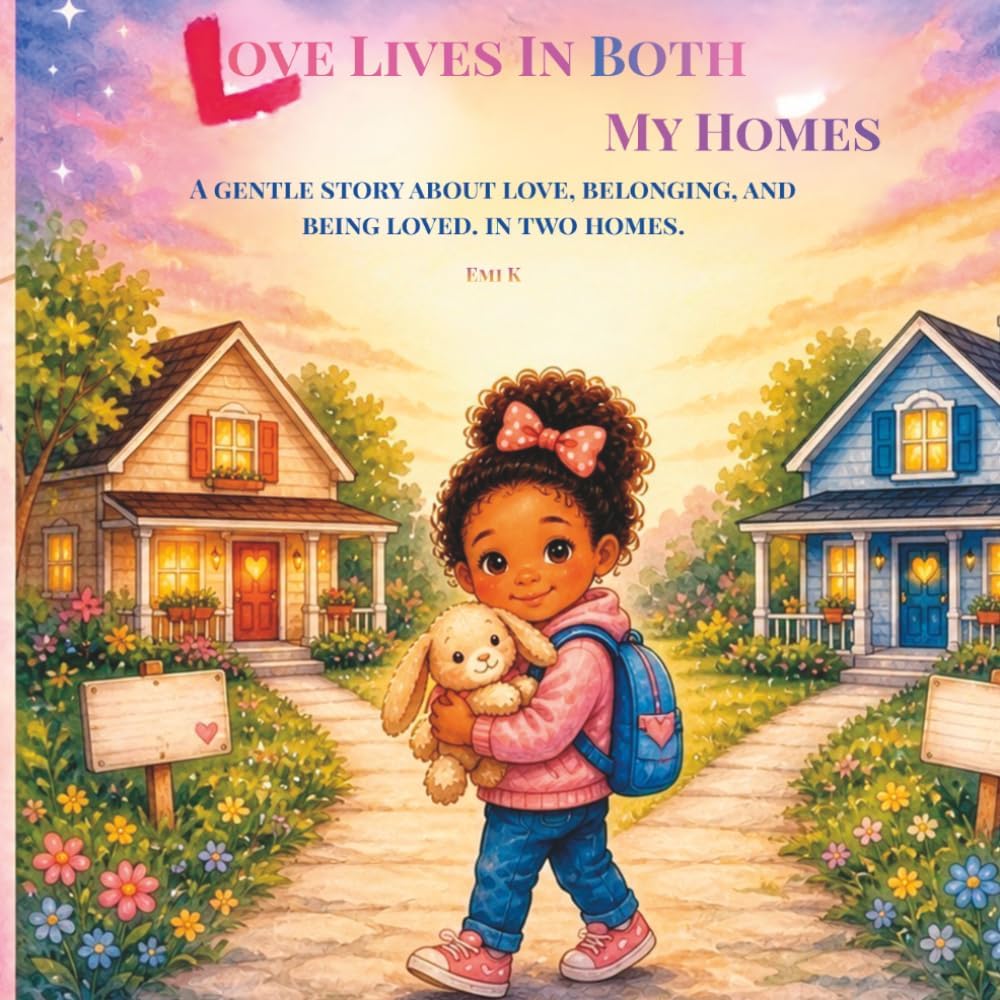
Love Lives in Both My Homes
Age range: 2–6
Series: The Many Ways Families Love
Key SEL themes: Divorce, co-parenting, belonging, emotional security, transitions
When a family separates, children often carry a quiet, heavy fear: does the love travel with me? Love Lives in Both My Homes answers that question with warmth and specificity — following a child between Mommy's home and Daddy's home, discovering that her heart is big enough for both. This is not a book that explains divorce to children. It's a book that gives children experiencing divorce a felt sense of being held. School counselors across the country use it as a read-aloud anchor during family-change counseling. Pair with Sometimes I Miss You and Love Travels with Me for a complete set covering co-parenting, missing a parent, and kinship transitions.
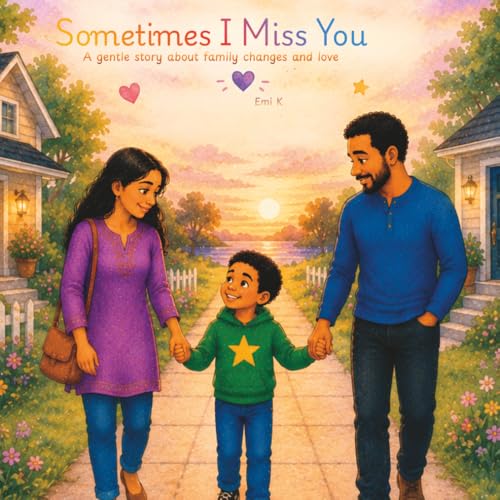
Sometimes I Miss You
Age range: 2–6
Series: The Many Ways Families Love
Key SEL themes: Missing a parent, grief, emotional regulation, coping skills, co-parenting
"Missing someone" is a feeling that doesn't have a clean solution — and children need books that honor that, not books that rush them through it. Sometimes I Miss You is written for exactly this: the ordinary, ongoing ache of living between two homes. With soothing rhymes and soft watercolor illustrations, it teaches children concrete coping skills — breathing, expressing feelings, staying connected — without dismissing the validity of the missing itself. The book was written with input from clinical practice with children navigating separation and co-parenting arrangements, and it shows. This is one of the most requested titles in Emi K's catalog from therapists and school counselors.
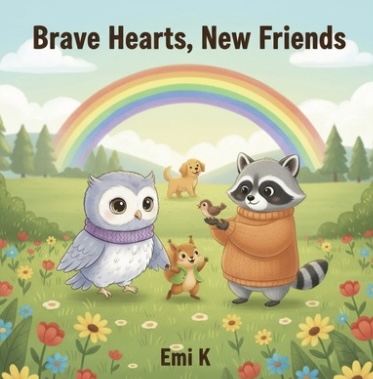
Brave Hearts, New Friends
Age range: 3–8
Series: Little Hearts, Big Skills
Key SEL themes: Social anxiety, courage, friendship, new beginnings
Making new friends is terrifying — especially for children who are naturally more introverted or anxious. Brave Hearts, New Friends meets this fear with honesty: being brave doesn't mean not being scared. It means taking that first step even when your heart is pounding. This is the clinical definition of courage (exposure, not absence of fear), translated into picture-book language. It's an ideal read before summer camp, a new school year, a neighborhood move, or any situation where a child will need to open themselves up to unfamiliar peers. For a complete social-emotional reading sequence for the back-to-school transition, see our Back-to-School Reading Guide.
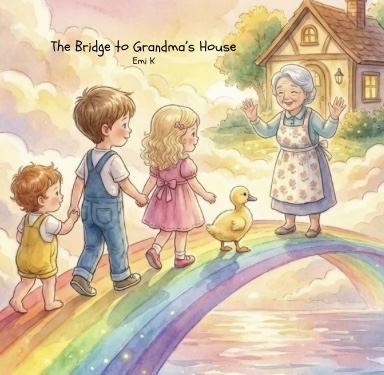
The Bridge to Grandma's House
Age range: 3–8
Series: Little Hearts, Big Skills
Key SEL themes: Change, transitions, comfort, family bonds, emotional resilience
The bridge in this story is both literal and metaphorical — a passage through uncertainty toward something warm and safe. The Bridge to Grandma's House captures something most children's books miss: the complex feelings that accompany even positive changes. Children going to stay with grandparents for the summer, transitioning between family homes, or facing any significant shift will recognize themselves in this story. The book frames change not as loss but as a passage — with love waiting on the other side. Clinically, it's a strong tool for building what therapists call "transitional object thinking," helping children locate emotional safety within themselves rather than purely in their immediate environment.
How to Use These Books This Summer
Reading about feelings is more powerful when it's paired with conversation. Here are a few simple approaches from clinical practice:
- Read it twice. First read: just enjoy the story. Second read: pause and ask "Have you ever felt like that?" Connection before instruction.
- Don't rush the ending. If a book ends on a complex note (missing someone, feeling scared), sit with it. Ask what the character might be feeling now, after the story.
- Name it to tame it. Neuroscience supports what therapists have known for decades: naming an emotion reduces its intensity. Books give children the words. Reading together gives them the practice.
- Let children revisit. A child who returns to the same book about big feelings is doing therapeutic work. Let them. The repetition is the point.
For more conversation starters keyed to these themes, download our free Feelings Talk Starter Guide — 10 prompts for reading aloud, curated by Emi K, LCSW-C, for exactly these kinds of conversations.
Browse the Full Collection
This list covers nine of the most powerful titles for building emotional literacy — but Emi K's catalog goes deeper. The full collection includes books on:
- Foster care and adoption (A New Home, A Love That's True)
- Kinship care and visiting between homes (Love Travels with Me)
- Emotional resilience through adversity (Mama Flora & the Healing Garden)
- Trust and inner calm (When the World Feels Quiet)
You can also browse by age range (Books by Age), or find collections specifically curated for classroom teachers and school librarians.
Download the Free Feelings Talk Starter Guide
Want to extend these conversations beyond the page? The Feelings Talk Starter Guide is a free printable resource created by Emi K, LCSW-C — 10 conversation prompts, organized by emotion category, that parents and educators can use during or after shared reading.
It covers: naming emotions, validating big feelings, coping strategies, and age-appropriate language for difficult topics like family changes, fear, and loss.
Download the Free Feelings Talk Starter Guide →
No spam, ever. Unsubscribe any time. The guide is sent immediately to your inbox.
