Books About Divorce for Kids: How Stories Help Children Through Family Changes
When a family separates, children are navigating one of the most significant transitions of their early lives. They are processing loss, confusion, loyalty conflicts, and the disorienting reality that the two people they love most are no longer living together. As Emi K, LCSW-C, knows from clinical work with children and families: the right words at the right time can make all the difference. And sometimes, those words come first from a picture book.
Books about divorce for kids aren't a substitute for professional support or honest parent conversations. But they open doors. They give children language for what they're feeling. They show that other kids have been through this too — and that the love between parent and child doesn't change when family structures do.
Why Picture Books Work for Divorce and Family Change
Young children (ages 3–8) don't yet have the cognitive vocabulary or emotional regulation skills to process complex grief directly. What they can do is follow a story. A relatable character who feels scared, sad, or confused — and who finds their way through — gives children a safe container for their own emotions.
Reading a book about divorce together also gives parents and caregivers a structured way to begin a conversation that might otherwise feel too big to start. "How did you feel when the character's mom moved to a different house?" is often easier for a child to answer than "How do you feel about me and Dad living separately?"
The story creates distance. That distance creates safety. And in that safety, children can begin to explore what they're actually feeling.
What Children Most Need to Hear During Family Transitions
Years of clinical work with children experiencing family separation point to a few consistent needs that the best books address:
Both parents still love me. The fear that a parent's departure means they don't love the child is extremely common, even when it isn't rational. Books that center parental love as unconditional and unchanging — regardless of where each parent lives — address this fear directly.
It's not my fault. Young children are egocentric thinkers. They often believe, on some level, that the separation happened because of something they did or felt. Good books for this age gently but clearly communicate: this is something that happened between adults, not because of you.
My feelings are okay. Anger, sadness, confusion, and even relief are all normal responses to family change. Books that name these emotions without judgment give children permission to feel what they actually feel, rather than performing the emotion they think is expected.
Some things stay the same. Routines, love, bedtime rituals, the warmth of a parent's voice — these anchors are enormously important when other things are shifting. Books that show what doesn't change can be profoundly reassuring.
Little Hearts, Big Skills: A Series Built for This Moment
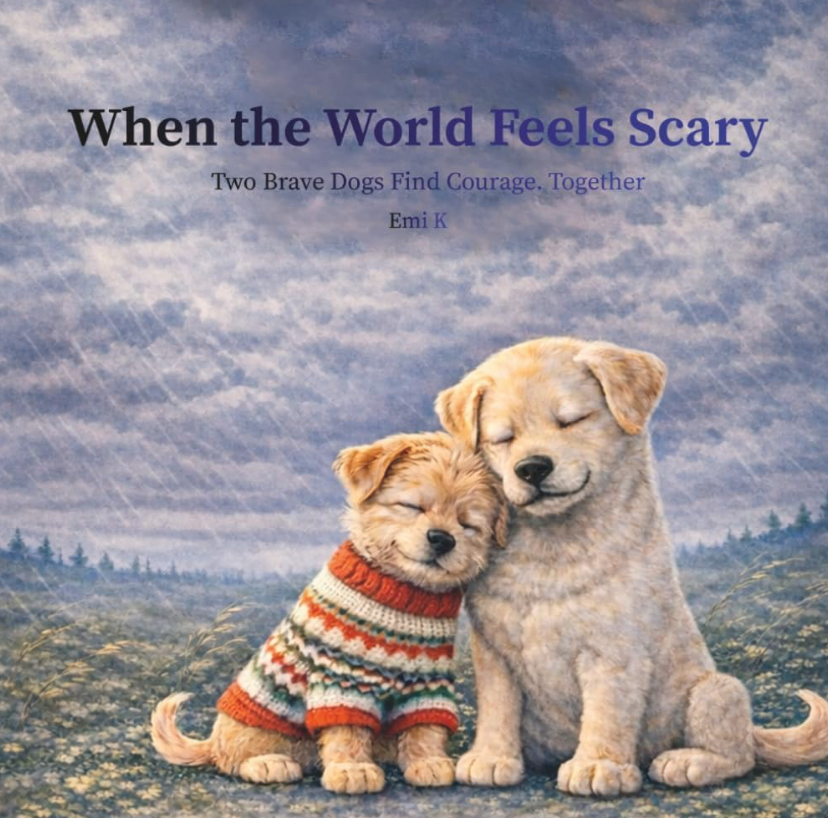
The Little Hearts, Big Skills series was written specifically for children navigating big emotional terrain — including family transitions, new household structures, and the feelings that come with change. Written by Emi K, LCSW-C, each book in the series is grounded in therapeutic principles while remaining warm, accessible, and deeply readable for young children.
These aren't books that lecture children about how to feel. They're books that sit with children in the feeling — validating it, naming it, and gently showing a path through.
Mom Is for Both of Us
One of the most powerful books in the Little Hearts, Big Skills collection for families navigating separation is Mom Is for Both of Us. This story centers the most reassuring truth a child of divorce can hear: that a parent's love doesn't get divided, shared, or diminished when family structures change. A child's relationship with their mother is fully theirs — it isn't competed over, isn't reduced, and doesn't live only in one house.
The story is particularly powerful for children in shared custody arrangements who may feel, at times, that they are somehow getting "less" of a parent. The book's message is clear and deeply felt: your mom is completely yours, and she always will be.
Read Mom Is for Both of Us on Amazon →
How to Use Books About Divorce During This Time
Read before a big change, not just after. If you know a separation is coming, reading books that normalize family change before it happens can help children build emotional scaffolding in advance.
Follow the child's lead. If they want to talk after reading, talk. If they want to sit quietly, sit quietly. The book has done its work even when the child says nothing. Let it settle.
Return to the same books. A child may want to read the same story about family change many, many times. This repetition is how children process. Each re-reading is an opportunity to revisit and integrate.
Normalize all feelings. If your child expresses anger, sadness, or even relief, receive it without correction. "It makes sense you feel that way" is one of the most healing sentences a parent can say.
Work alongside professional support. Books are a complement to, not a replacement for, clinical support when children are struggling significantly. A child therapist trained in play therapy can help children process what books open.
Building a Library for Family Transitions
The best libraries for children going through family change include books that address the transition directly, books that celebrate the love that continues, and books that help children name and manage big emotions across the board.
Browse the full Little Hearts, Big Skills collection for therapeutic picture books designed for children navigating exactly these moments. Or explore books by your child's age to find the titles most developmentally appropriate for where your child is right now.
If you're a school counselor or teacher supporting students through family changes, the For Teachers and Counselors page has the series organized by SEL theme, including the Family Changes category.
You're Doing Something Important
Picking up a book about divorce for your child is an act of love. It says: I see that you're going through something hard. I'm not going to pretend it isn't happening. And I'm here, with you, in it.
That presence — even mediated through a story — is what children need most.
Get the free Feelings Talk Starter Guide — 10 conversation prompts to help children name big emotions, written by Emi K, LCSW-C. Download it free here →
Subscribe to The Reading Nook newsletter for monthly recommendations of books that help children navigate big life moments — including family change, grief, and transition.