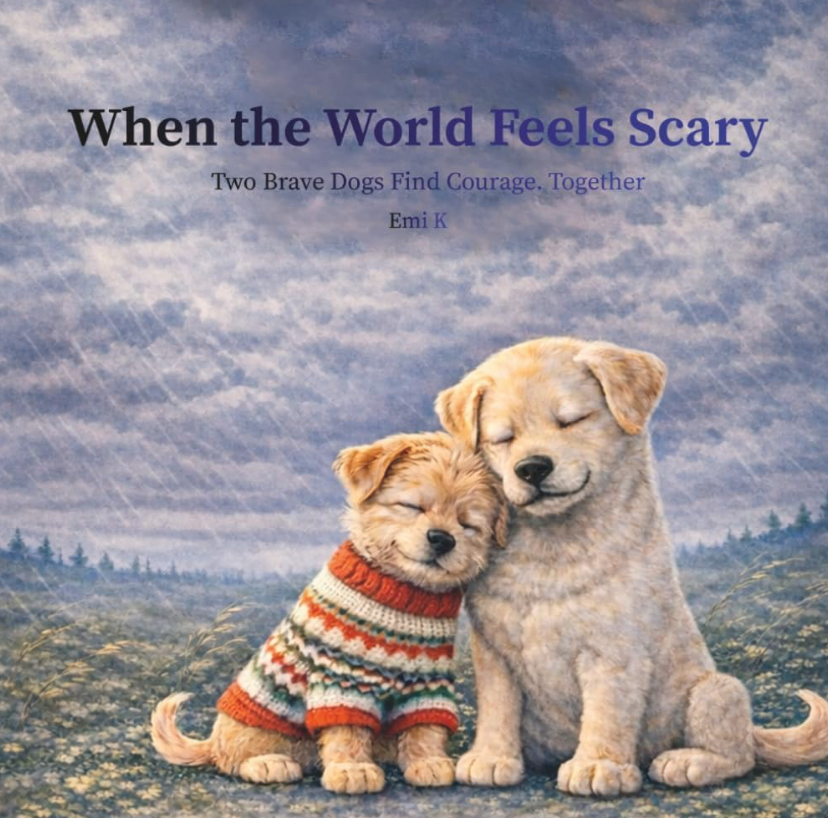
A Parent's Guide to Reading With Toddlers (Ages 2–4)
Reading with a toddler is not the serene, lamp-lit experience the picture on the cover suggests. It involves getting the same book requested forty nights in a row. It involves your child flipping to the last page before you've finished the first paragraph. It involves questions about every illustration, wriggling, snacks discovered in between the pages, and occasionally a firm refusal to engage at all.
It is, in short, wonderful. And it is also one of the most important things you can do for your child's brain, language, and emotional development during these years.
Here's what you need to know about reading with 2 to 4 year olds — including which books tend to land, how to make the most of story time, and what to do on the nights when no one wants to cooperate.
What's Happening in a Toddler's Brain During Story Time
Between ages 2 and 4, children's language development moves at an extraordinary pace. They are absorbing new vocabulary at a rate that will never be matched in their lifetime. They are beginning to understand narrative — that events have causes, that characters have feelings, that stories have shape.
Reading aloud is one of the richest inputs for all of this. A child who is read to regularly during the toddler years hears significantly more words than their peers — including words that simply don't appear in everyday conversation. This "vocabulary gap" has measurable effects on reading ability and school success years down the line.
But the benefits aren't only linguistic. Story time at this age also builds emotional intelligence, attention span, and the understanding that books are a source of pleasure and safety. These are habits of mind that stay for life.
What Makes a Good Book for 2 to 4 Year Olds?
Not every picture book works well at this age. The ones that tend to land share a few qualities:
- Repetition and rhythm. Toddlers love predictable patterns. When they know what's coming, they feel clever and in control. Books with refrains they can shout along to ("Run, run, as fast as you can!") are enormously satisfying.
- Bold, expressive illustrations. At 2–4, children are as interested in the pictures as the words — often more so. Illustrations that clearly show emotions are particularly valuable.
- Relatable characters. Animals and children experiencing familiar situations — starting nursery, having a new sibling, feeling cross — give toddlers a mirror for their own experience.
- Appropriate length. Short is fine. One picture book per sitting is plenty. Reading ten pages of the right book beats twenty pages of the wrong one.
Our Age-by-Age Picks from the TaleNest Catalog
If you're looking for books specifically calibrated for this age range, our Reading Guide has curated recommendations for toddlers and preschoolers. Here are a few highlights from Emi K's catalog that consistently work well with 2 to 4 year olds:
For 2-Year-Olds: Warmth and Gentleness
At two, children are in a period of intense emotional development. Big feelings arrive without warning and leave just as suddenly. The best books for this age acknowledge those feelings with warmth, rather than trying to fix or explain them.
The Mama Flora series excels here. These stories of a gentle, nurturing mama and her little ones communicate safety and unconditional love in a way that resonates deeply at this age. The language is soft and rhythmic, perfect for lap reading at bedtime, and the illustrations carry so much emotional warmth that even pre-verbal children respond to them.
Younger toddlers who are working through separation anxiety, new sibling adjustments, or simply the overwhelm of a big world often find particular comfort in the Mama Flora books.
For 3-Year-Olds: Social Stories and Big Feelings
Three is the age of social discovery. Nursery friendships are forming, sharing is suddenly required, and feelings about fairness run strong. Three-year-olds need stories that reflect their social experience back to them.
The Kensington Littles series is ideal. These farmyard tales about friendship, sharing, and kindness feature lovable animal characters navigating exactly the social situations three-year-olds encounter every day. The stories are funny, warm, and gently instructive without ever being preachy. Children this age often become genuinely attached to the characters — requesting them by name and referencing them in real-life situations.
For 4-Year-Olds: Emotions with Nuance
By four, children are ready for slightly more complex emotional territory. They can hold two feelings at once ("I'm excited about my birthday but also nervous about the cake being the wrong flavour"). They're beginning to understand that other people have different inner experiences from their own.
The Little Hearts, Big Skills series works beautifully at this age. These books help children identify and name specific feelings — not just "sad" and "happy" but the more nuanced emotions that four-year-olds are beginning to experience. Parents and early years educators regularly recommend this series for children who are emotionally perceptive but don't yet have the vocabulary to express what they're feeling.
Making the Most of Toddler Story Time
A few things that make a real difference:
Let Them Lead
If your toddler wants to read the same book for the fifteenth time this week, say yes. Repetition is how children learn. By the fourth or fifth reading, they often know the words by heart — which is a milestone worth celebrating, not a sign that they're bored.
Make It Interactive
Point at pictures. Ask "What's that?" Ask "What do you think will happen?" Let them turn the pages. Toddler story time is a conversation, not a performance. The more they participate, the more they absorb.
Keep Sessions Short
Five to ten minutes is a perfectly respectable reading session with a two-year-old. Pushing past their natural attention limit achieves nothing. Stop while they still want more — that's the feeling you want them to associate with books.
Read at the Same Time Each Day
Toddlers thrive on routine. A consistent reading time — before nap, before bed, after lunch — trains their brain to expect it. Within a few weeks, many toddlers will begin bringing books to their carer at the usual time without being asked.
On the Nights When No One Cooperates
Sometimes it doesn't work. That is fine. One skipped story time does not undo a year of reading together. The relationship you're building around books is what matters, not any single session.
A Final Word
Reading with toddlers is imperfect, unpredictable, and one of the greatest investments of time you can make during these years. The vocabulary, the emotional intelligence, the love of stories — these are gifts that compound over time in ways that are impossible to quantify but very easy to see.
Start wherever you are. One book, tonight, on your lap. That's enough.
For more personalised recommendations by age and theme, visit our Reading Guide. Emi K's full collection — including all the series mentioned above — is also available on Amazon.