Teaching Empathy Through Children's Stories: A Parent's Guide
Empathy—the ability to understand and share the feelings of another—is one of the most important skills a child can develop. It makes them kinder, more resilient, more connected to the world around them. And one of the most effective ways to nurture empathy is through stories.
When a child reads about a character who's scared, lonely, brave, or joyful, something remarkable happens: they live inside that character's emotional experience. They walk in someone else's shoes. That's where empathy begins.
Why Stories Build Empathy
Stories create what researchers call "theory of mind"—the ability to recognize that others have thoughts and feelings different from our own. When a child follows a character through a problem, feels their worry, celebrates their success, they're practicing empathy in a safe, guided way.
Unlike a lecture on kindness, a story doesn't feel like a lesson. It's an experience. And experiences shape how children think about themselves and others far more deeply than instructions ever could.
How to Use Picture Books to Build Empathy
1. Ask Questions That Invite Perspective-Taking
Instead of: "Was that character nice?"
Ask: "How do you think she felt when that happened? Why?"
This simple shift moves children from surface-level observation to emotional reasoning. They have to imagine what another person feels and why. That's empathy in action.
2. Validate Emotional Responses
If your child says they're scared of the same thing the character was scared of, that's not a moment to dismiss. It's a moment to validate: "You noticed you have the same feeling as the character! That's how we understand each other."
This shows children that having feelings—even uncomfortable ones—is normal and human.
3. Connect Stories to Real Life
After reading, make a bridge to their world: "Remember how the character felt left out? Have you ever felt that way?" These connections help children see that the lessons in stories apply to their actual lives.
4. Read Books Where Different Experiences are Celebrated
Children develop empathy through encountering characters who are different from them—different families, abilities, backgrounds, fears. When children read about a wide range of human experiences, they naturally develop a more expansive understanding of what it means to be human.
The Little Hearts, Big Skills series is specifically designed to help children name and validate a wide range of emotions and experiences. Mama Flora stories celebrate different family configurations and ways of showing love.
Books That Specifically Build Empathy
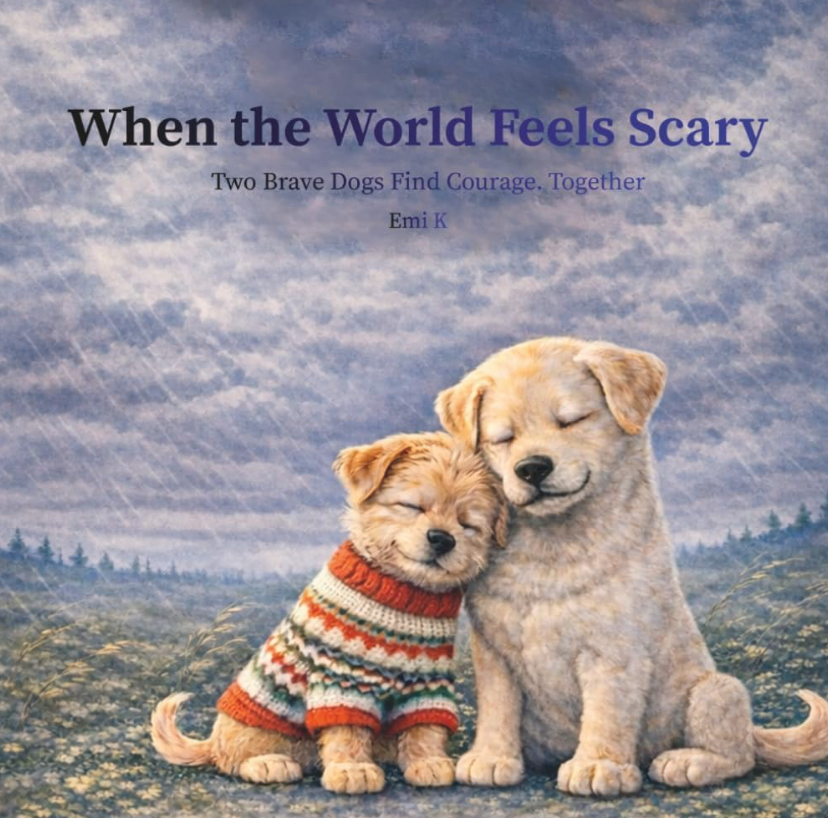
Stories About Being Scared: Help children recognize that fear is normal. Characters in When the World Feels... series face transitions and new situations, showing children that courage isn't the absence of fear—it's moving forward despite it.
Stories About Helping and Kindness: Kensington Littles books show characters noticing when others need help and stepping in. Children internalize: I can make a difference in someone's life.
Stories About Big Feelings: When children see characters experience grief, anger, joy, or confusion—and survive them—they learn that all feelings are manageable and survivable. This is foundational emotional empathy.
The Parent's Role in Building Empathy Through Stories
Your job isn't to point out the lesson. It's to create the conditions where empathy can emerge naturally:
- Be genuinely curious: "What do you think happens next?" Let their imagination lead.
- Share your own responses: "That made me sad too. Here's why..." Shows children that adults also feel and think deeply about stories.
- Don't rush to solve emotions: If a story makes your child sad or anxious, sit with them in it. "That was a hard part, wasn't it? The character got through it, and so can we."
- Revisit stories: The same book at age 4 and age 7 will evoke different emotional responses. Rereading deepens understanding.
Empathy as a Lifelong Foundation
Children who develop empathy early tend to have stronger relationships, better problem-solving skills, and greater resilience. They're more likely to advocate for themselves and others. They're more creative in finding solutions to conflict.
And it all starts with a story.
Build Your Empathy Library Today
Start with books that celebrate a wide range of emotions and experiences. Reread them often. Ask genuine questions about how characters feel. And watch as your child's capacity for understanding and compassion grows.
Every story you share is planting a seed of empathy. Those seeds grow into a human who sees others, understands them, and knows how to connect.
Looking for specific books to build empathy? Browse our book collection or subscribe to The Reading Nook newsletter for monthly recommendations on books that grow emotional intelligence and teach children to see the world through others' eyes.